
What to Consider Before Buying a Home Security System
Choosing the right home security system is not just about buying cameras or alarms—it’s about protecting your home, family, and peace of mind. With so many options available in the US market, it’s easy to focus on features instead of what truly matters. This guide breaks down the key factors you should evaluate before investing in a home security system, helping you make a smart and practical decision.
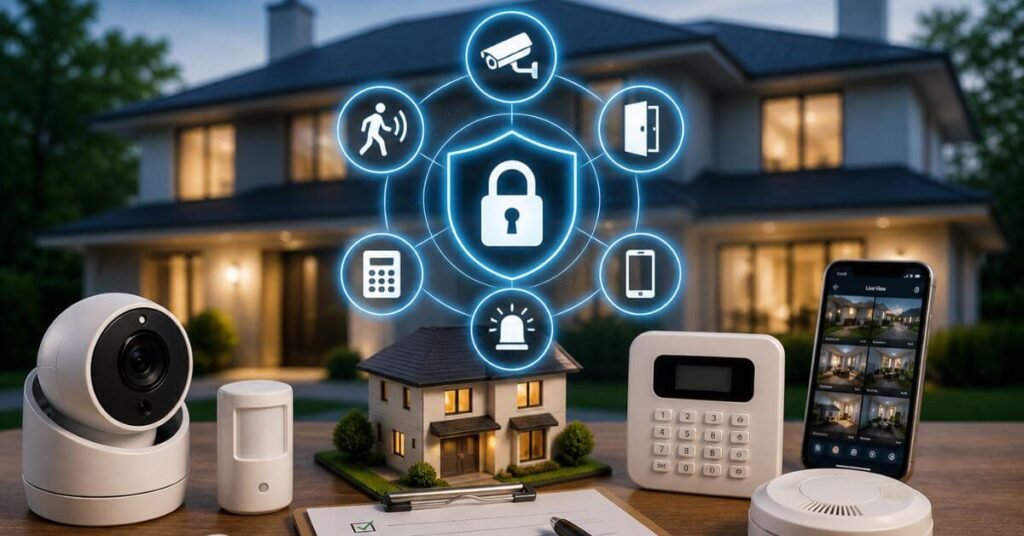
18 Points to Consider Before Buying a Home Security System
Before you choose a home security system, it’s important to evaluate multiple factors that affect performance, reliability, and long-term value. Below are 18 essential points that will help you choose a system that truly fits your home and lifestyle.
1. Home Layout
Your home layout is the foundation of any effective home security system. Entry points like doors, windows, garages, and basements determine where sensors and cameras should be placed. A small apartment may need minimal coverage, while a large independent home or villa requires a more detailed setup. Ignoring layout can leave blind spots, reducing the effectiveness of your home security system.
2. Reliability
Reliability ensures your home security system works when it matters most. This includes consistent performance, strong connectivity, and backup power options. A system that frequently disconnects or fails during outages can compromise safety. In the US, choosing a reliable system with battery backup and stable hardware is essential for uninterrupted protection.
3. Monitoring
Monitoring defines how your home security system responds to alerts. Professional monitoring involves a service that contacts emergency responders, while self-monitoring sends alerts directly to your phone. Professional monitoring offers faster response but comes with monthly fees. Self-monitoring gives control but requires quick personal action. Choosing the right option depends on your lifestyle and availability.
4. Detection Accuracy
Detection accuracy is critical in any home security system. Poor sensors can trigger false alarms due to pets, weather, or minor movements. In many US cities, repeated false alarms may result in fines. Advanced systems offer motion filtering and human detection, improving accuracy and ensuring alerts are meaningful.
5. Budget
Budget plays a key role when selecting a home security system, but it should not compromise essential protection. Consider both upfront costs and ongoing expenses like subscriptions. A balanced approach ensures you get the necessary features without overspending. Focus on value rather than just the lowest price.
6. Wired or Wireless
A wired home security system offers stable performance and is ideal for larger homes or permanent setups. Wireless systems are easier to install and suitable for apartments or renters. Wireless systems rely on Wi-Fi, while wired systems provide consistent connectivity. Your choice should depend on your home type and long-term plans.
7. Connectivity
Connectivity determines how your home security system communicates alerts. Wi-Fi is standard, but systems with cellular backup remain functional during internet outages. In the US, many modern systems include this feature, ensuring continuous protection even when your primary connection fails.
8. Storage
Storage affects how your home security system saves footage. Cloud storage offers remote access and convenience, but usually requires a subscription. Local storage provides control and avoids monthly fees but may be vulnerable if the device is damaged or stolen. Choosing the right option depends on your privacy and budget preferences.
9. Installation
Installation can impact the effectiveness of your home security system. DIY systems are cost-effective and easy to set up, especially for smaller homes. Professional installation ensures proper placement and setup, which is beneficial for larger or complex properties. The choice depends on your technical comfort and system complexity.
10. Subscription & Contract
Many home security system providers in the US offer subscription plans for monitoring, storage, and advanced features. Some require long-term contracts, while others offer flexible monthly options. Understanding these terms helps avoid unexpected costs and ensures long-term satisfaction.
11. Camera Quality
Camera quality directly affects the effectiveness of your home security system. High-resolution video, clear night vision, and wide-angle coverage ensure you capture usable footage. Poor-quality cameras may fail to identify faces or details, reducing the value of your system during critical situations.
12. Tamper Protection
Tamper protection ensures your home security system remains secure even if someone attempts to disable it. Features like alerts for device removal, signal interference, or power disconnection help maintain system integrity. This adds an extra layer of security against intentional interference.
13. Data Privacy & Security
Data privacy is an essential consideration when choosing a home security system. Your cameras and recordings should be protected with strong encryption and secure storage. In the US, users are increasingly concerned about data misuse, making it important to choose a trusted system that prioritizes privacy.
14. App Experience
The app is your primary interface with the home security system. A well-designed app allows easy access to live feeds, alerts, and controls. Poor app performance can lead to delays or confusion during emergencies. A smooth and reliable app enhances overall usability.
15. Smart Device Integration
Modern home security systems can integrate with smart home devices like voice assistants, smart locks, and lighting systems. This allows you to create a connected ecosystem where multiple devices work together. Integration adds convenience and enhances the functionality of your home security system.
16. Automation
Automation enables your home security system to perform actions automatically, such as turning on lights when motion is detected or locking doors at a certain time. While not essential, automation improves convenience and can enhance security when used effectively.
17. Scalability
Scalability ensures your home security system can grow with your needs. You may start with basic sensors and later add cameras, alarms, or smart devices. A scalable system prevents the need for complete replacement as your requirements evolve.
18. After-Sales Support
After-sales support is often overlooked but plays a crucial role in maintaining your home security system. Reliable customer service, warranty coverage, and easy replacement options ensure long-term usability. Strong support can make a significant difference when issues arise.
Conclusion: Choosing the Right Home Security System
Choosing the right home security system requires more than comparing features—it involves understanding your home, lifestyle, and long-term needs. By evaluating these 18 factors, you can build a system that offers reliable protection and real value. A well-planned home security system not only safeguards your property but also gives you confidence and peace of mind every day.
